
Razor Cuts
Specialist razor cutting for shags, wolf cuts, mullets, crops, fringes and personalised texture, shaped around how your hair naturally moves.

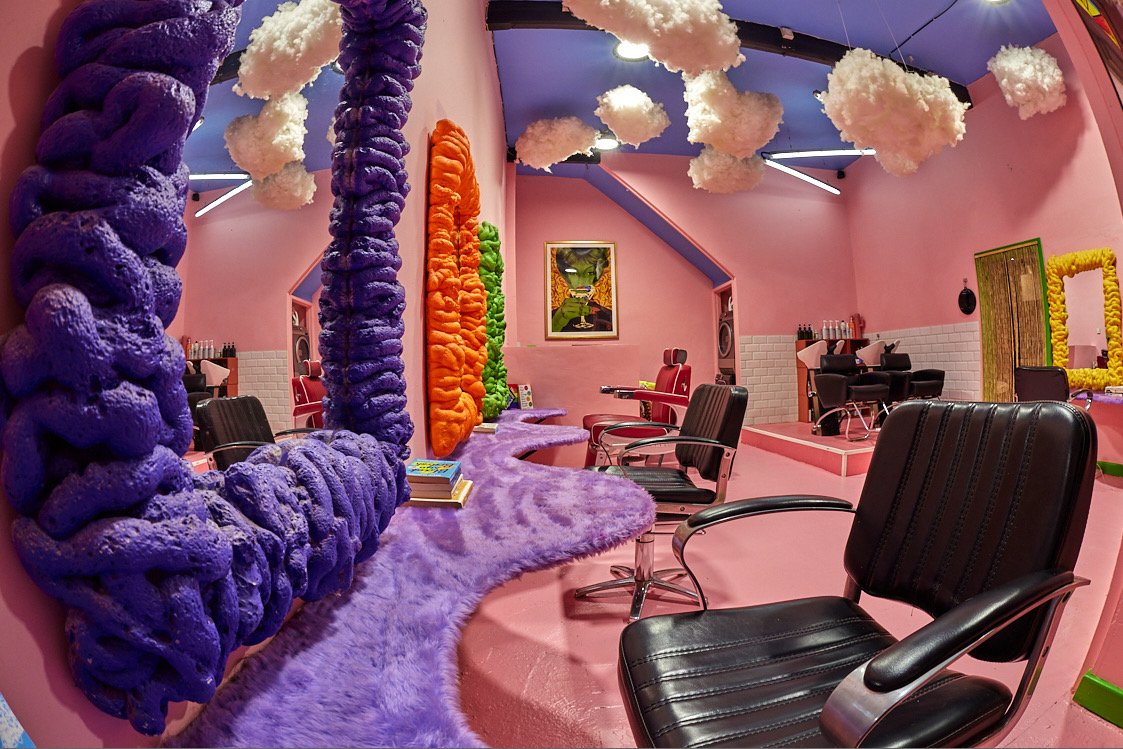
“At RCNQ, razor cutting isn’t simply a way of removing weight. It allows us to create softness, movement and a lived-in finish, adapting every part of the haircut to the hair in front of us.”
Haircuts made to move
Razor cutting gives us a huge amount of creative control.
Shorter razor strokes create a blunter, denser finish, helping areas of finer hair appear thicker and more substantial.
Longer strokes remove more weight, giving thicker areas greater movement, separation and freedom.
We can change the length and pressure of each stroke throughout the same haircut. If your hair is finer in one area, we can preserve more weight. If it is especially dense elsewhere, we can release some of that weight without making the entire haircut feel thin.
If your hair is wavier or curlier underneath, for example, we may keep those areas slightly heavier while creating more freedom through the upper layers. The technique is adapted section by section—not applied identically across the whole head.
A razor cut being styled at RCNQ Manchester.
Precision in every stroke
A haircut created with scissors will often begin with a sharper, blunter finish. As the individual hairs grow at slightly different rates, that precise line gradually softens and can begin to feel ready for reshaping.
A razor cut starts with a softer, more lived-in finish. Because the shape is built around the hair’s natural movement rather than one blunt line, the grow-out can retain its character for longer.
We also cut according to how your hair naturally sits and moves, so styling can be as simple as applying a suitable product, moving or scrunching it into place and letting its texture do its thing. For many clients, that means less daily styling and more time between full reshapes.
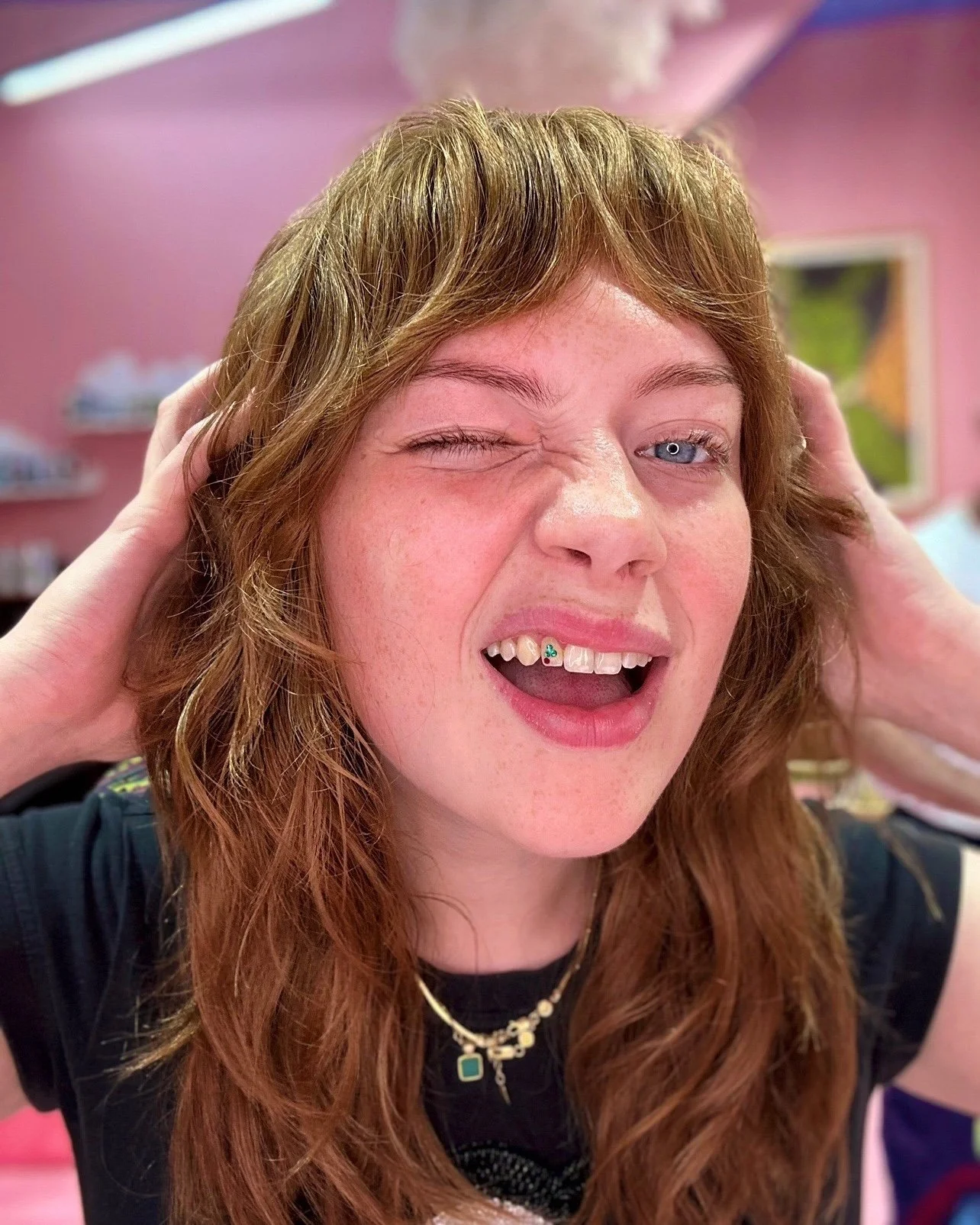
Shags & Wolf Cuts
Layered, lived-in shapes with movement through the crown, face-framing pieces and soft, textured ends.
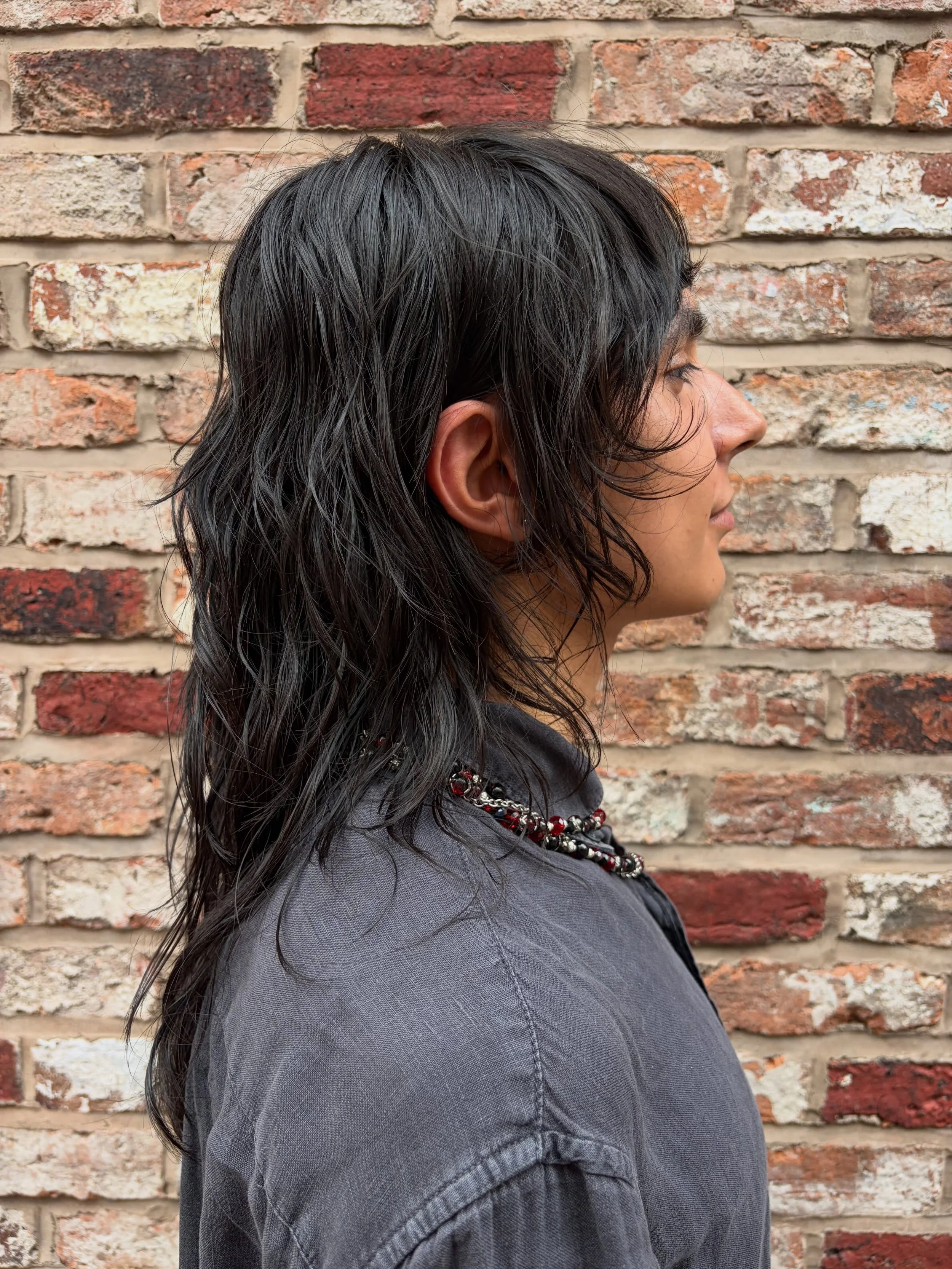
Mullets & Androgynous Cuts
Expressive shapes that can be tailored to feel as subtle, sharp or dramatic as you want.
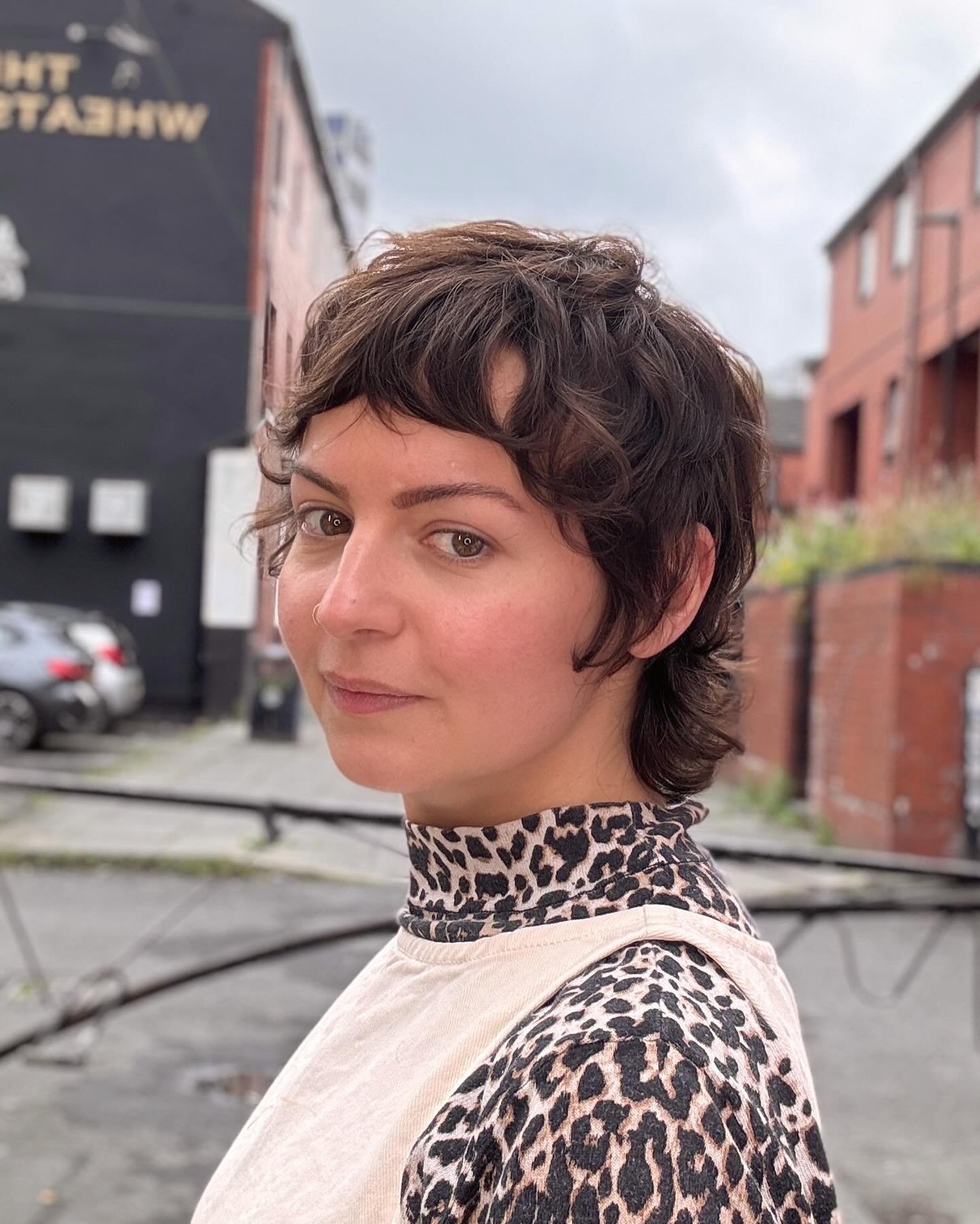
Crops & Bobs
Shorter cuts with softness, separation and detail, without relying on a rigid, blunt finish.
Long Textured Hair
Carefully placed texture removes excess weight and gives longer hair more movement without sacrificing length.

What can be created with a razor?
A razor can be used across short, medium and long hair—from shags, wolf cuts and modern mullets to androgynous shapes, crops, bobs, fringes and long textured layers. It can also soften a one-length haircut without leaving a rigid, blunt finish.
If you’re interested in the history and different versions of the shag, you can also read our Shag Haircut 101 guide.
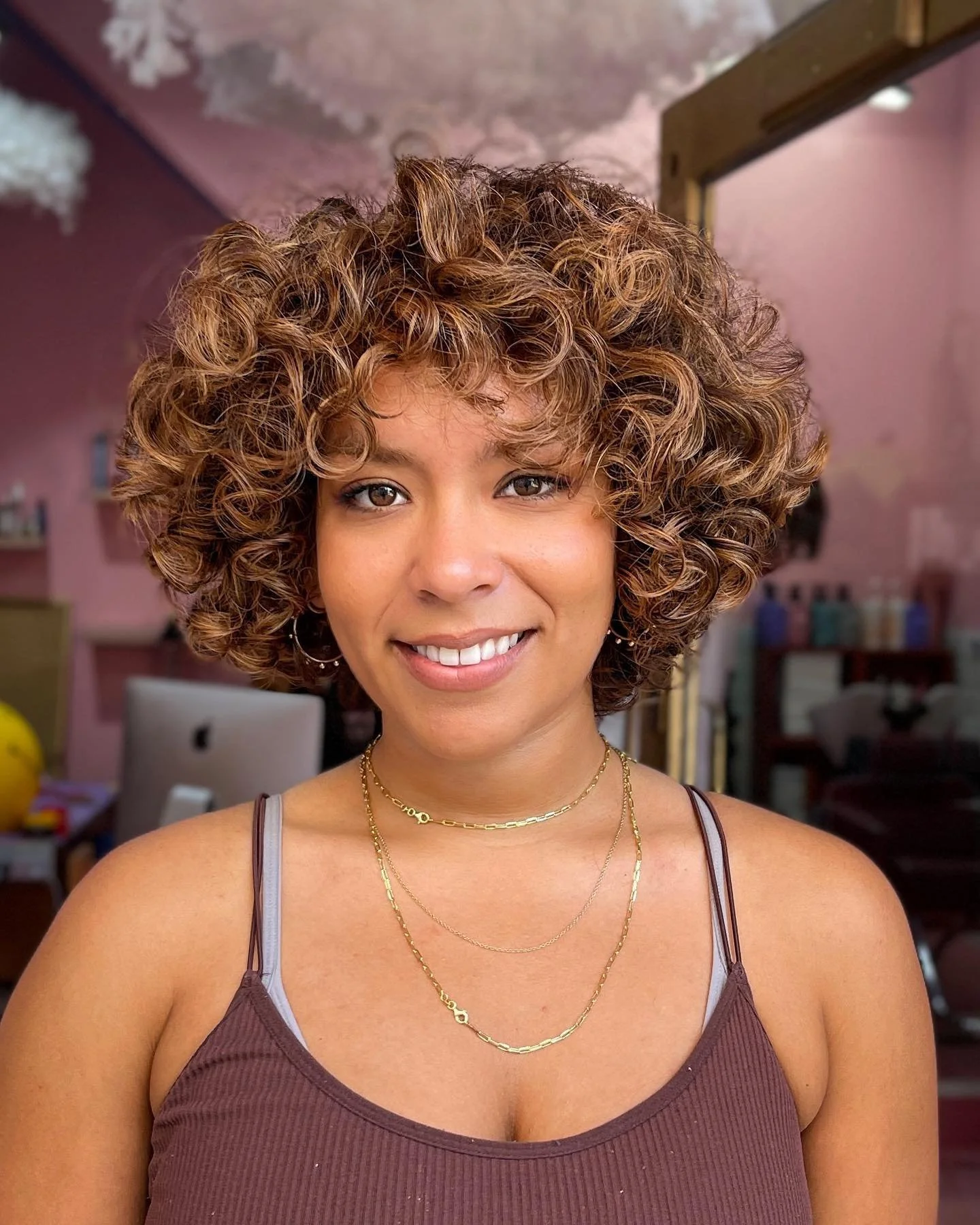
Fine, thick, straight, wavy or curly hair
Razor cutting can be adapted to many different hair types.
On fine hair, shorter strokes can preserve weight and create a fuller, more substantial finish.
On thick or very dense hair, longer strokes can remove unnecessary weight and encourage more movement.
On straight, wavy and looser curly hair, the razor can be used to build texture and help the hair move more freely.
Razor cutting isn’t automatically the right technique for every texture. For tighter curl patterns and Afro-textured hair, we will generally use scissors instead, giving us greater control over the individual curl pattern and overall shape.
Your consultation allows us to assess your texture, density, condition and desired result before choosing the right technique. We may use a razor, scissors or a combination of both.
The RCNQ team are all trained in razor cutting, with Rob bringing extensive experience and specialist knowledge to the technique. His approach has developed through training with hairdressers internationally, and the team continue to develop their skills through ongoing education both within the salon and externally.
We change the razor blade in front of every client before their haircut. A fresh, single-use blade and a light, controlled hand allow us to cut cleanly and precisely without dragging against the hair or removing unnecessary weight.
Razor cuts by the RCNQ team
Razor cutting is practised across the RCNQ team. Here are some of the different shapes, lengths and textures created by our stylists.

Razor-cut wavy shag by Rob
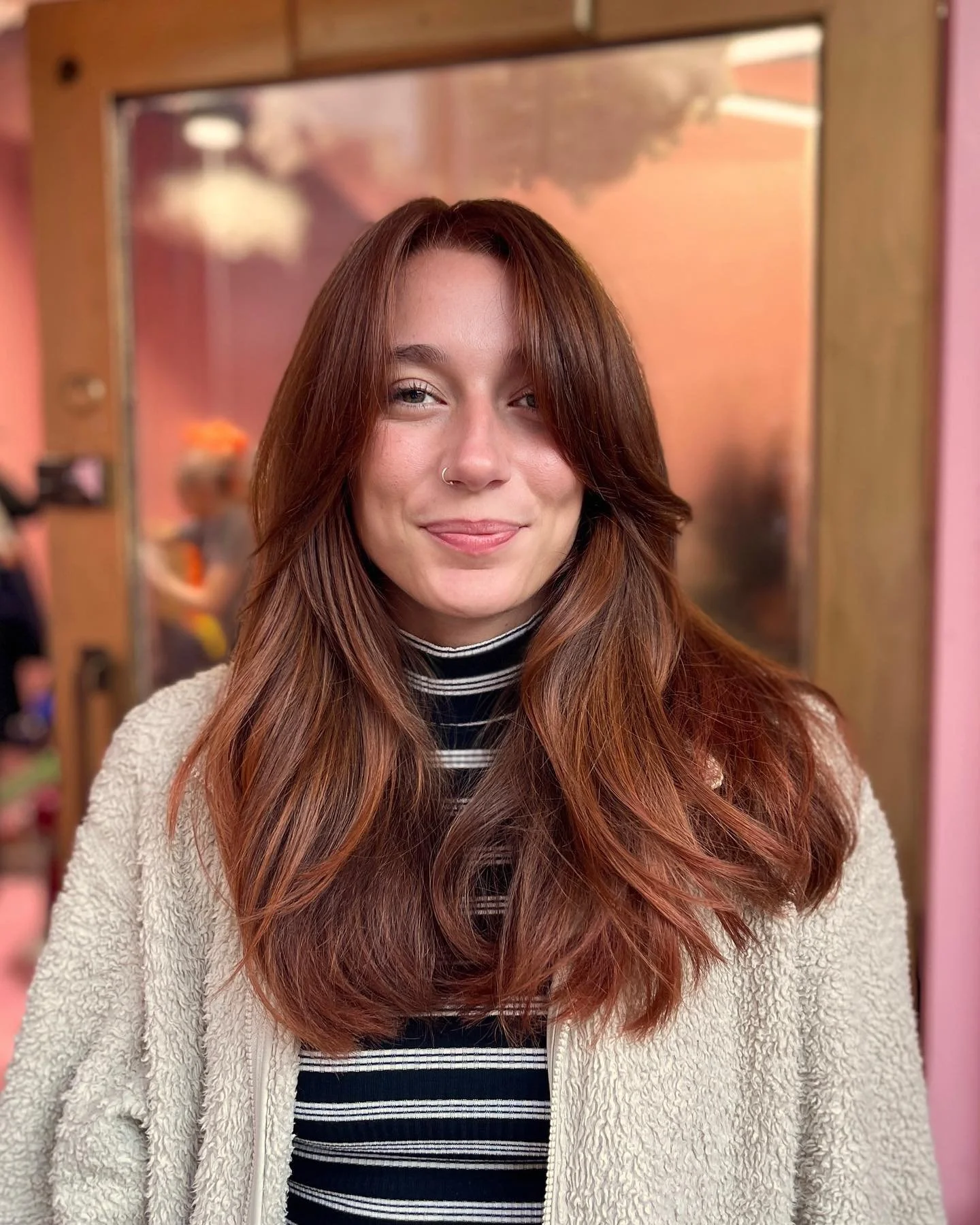
Soft shag razor cut by Rob
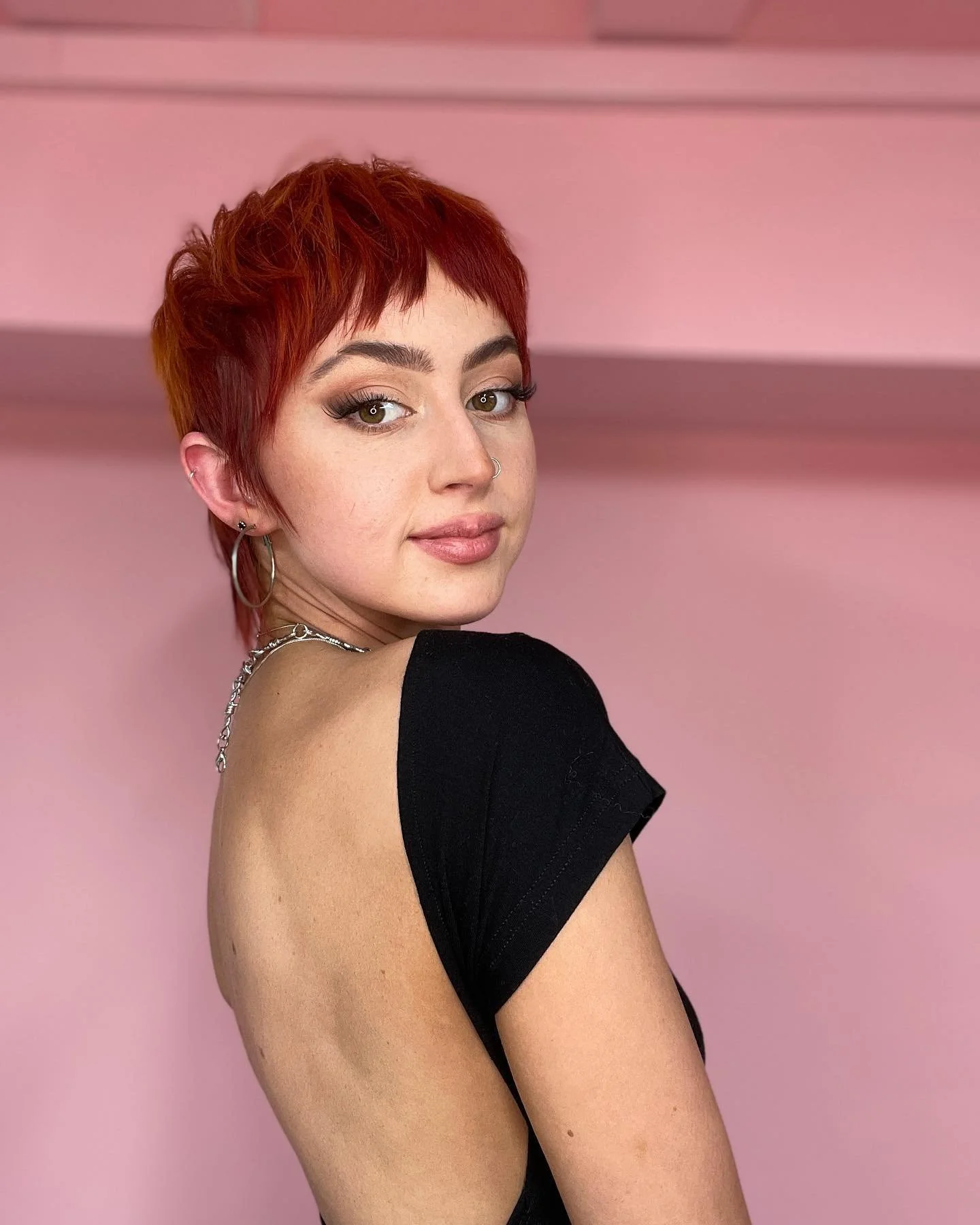
Razor cut crop by Rob
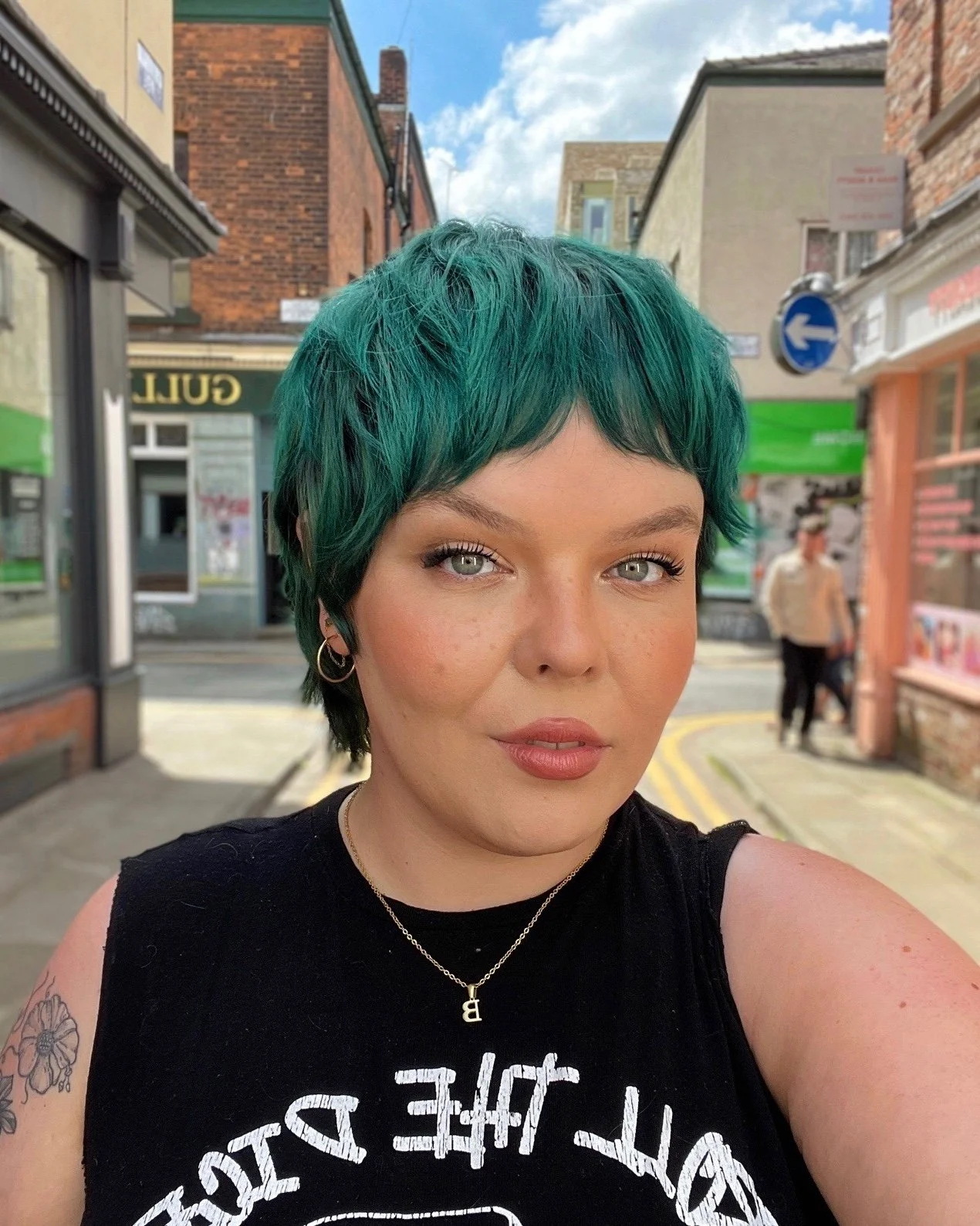
Razor cut pixie by Rob
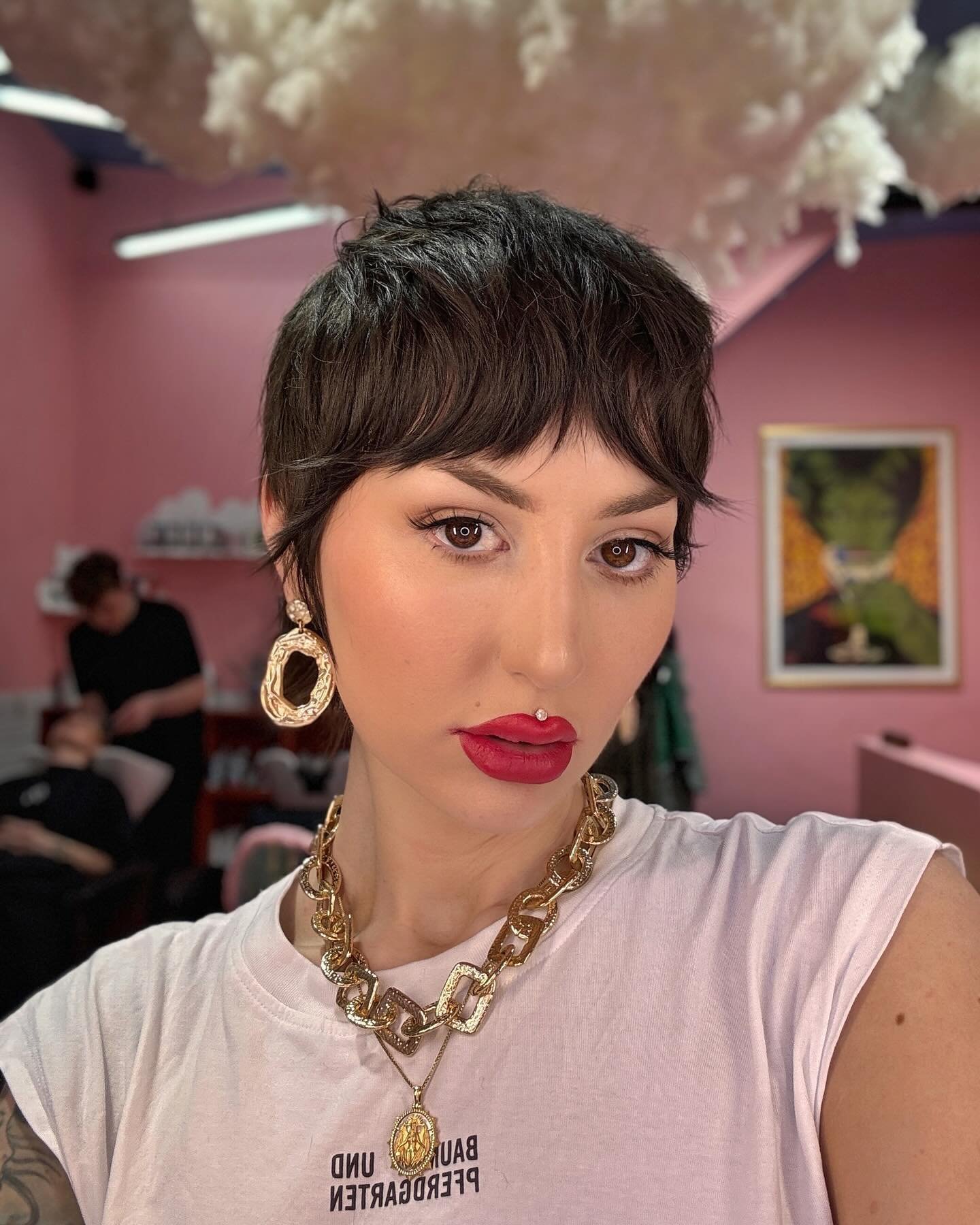
Razor cut pixie by Rob
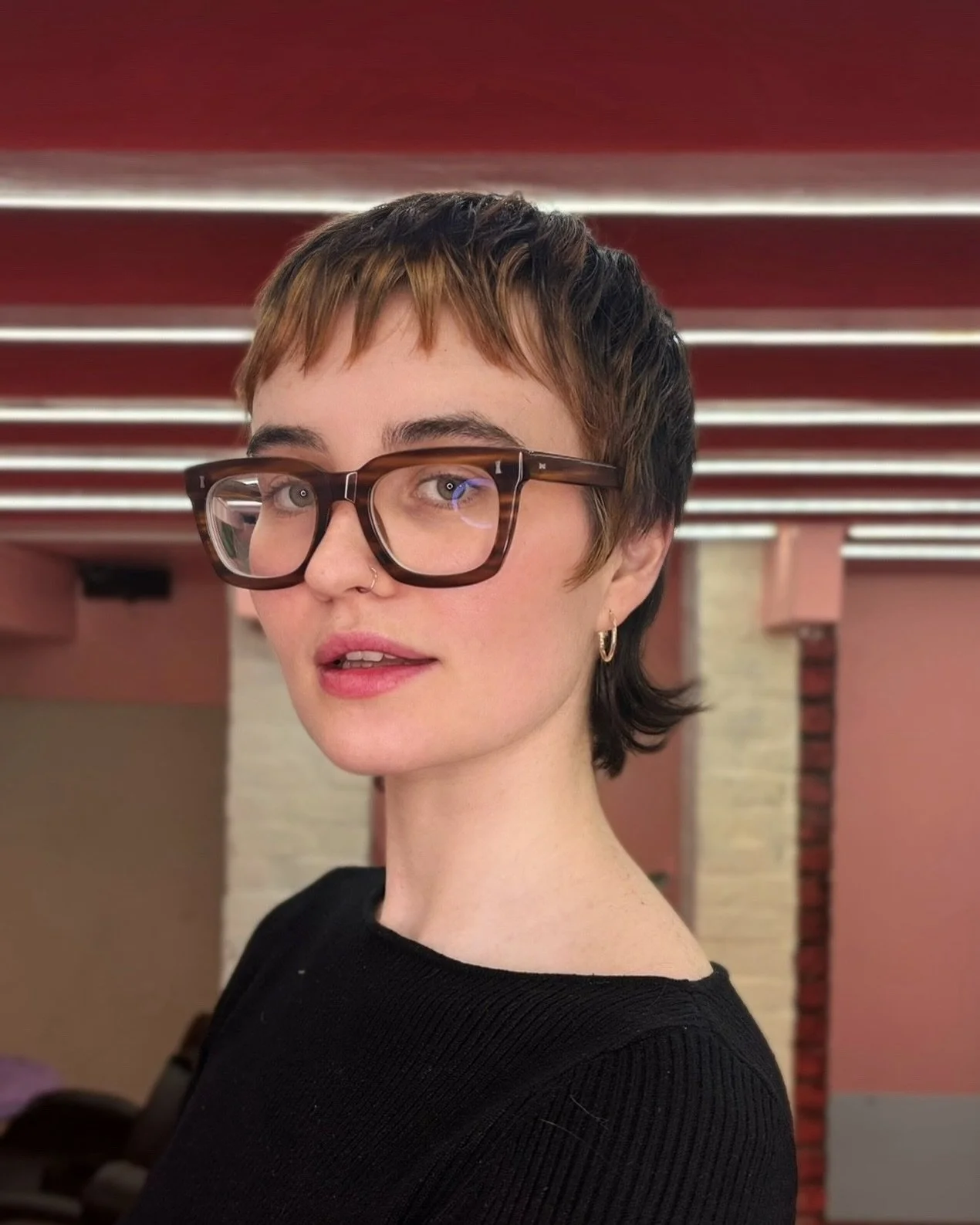
Razor cut pixie by Bronia
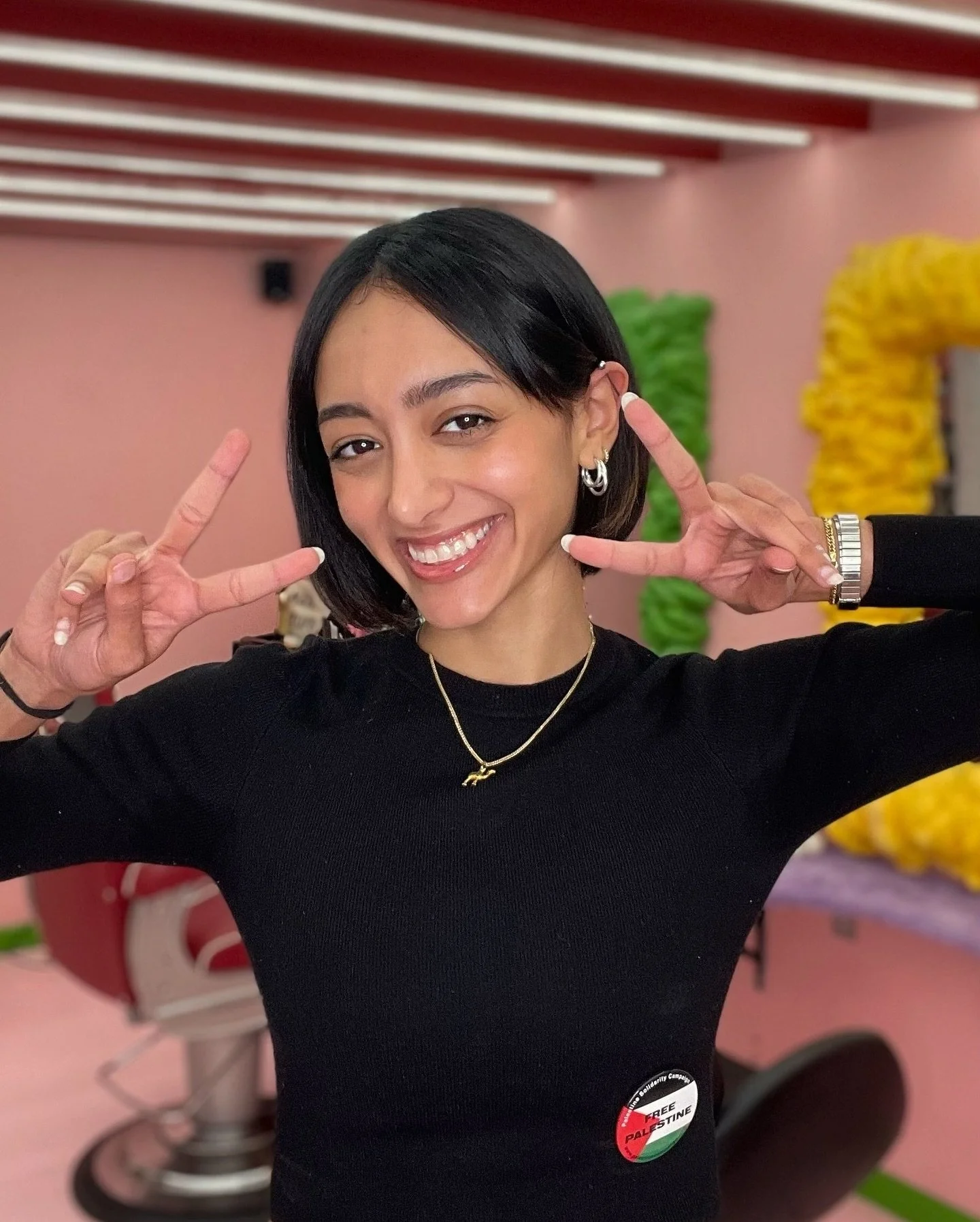
Razor cut bob by Rob
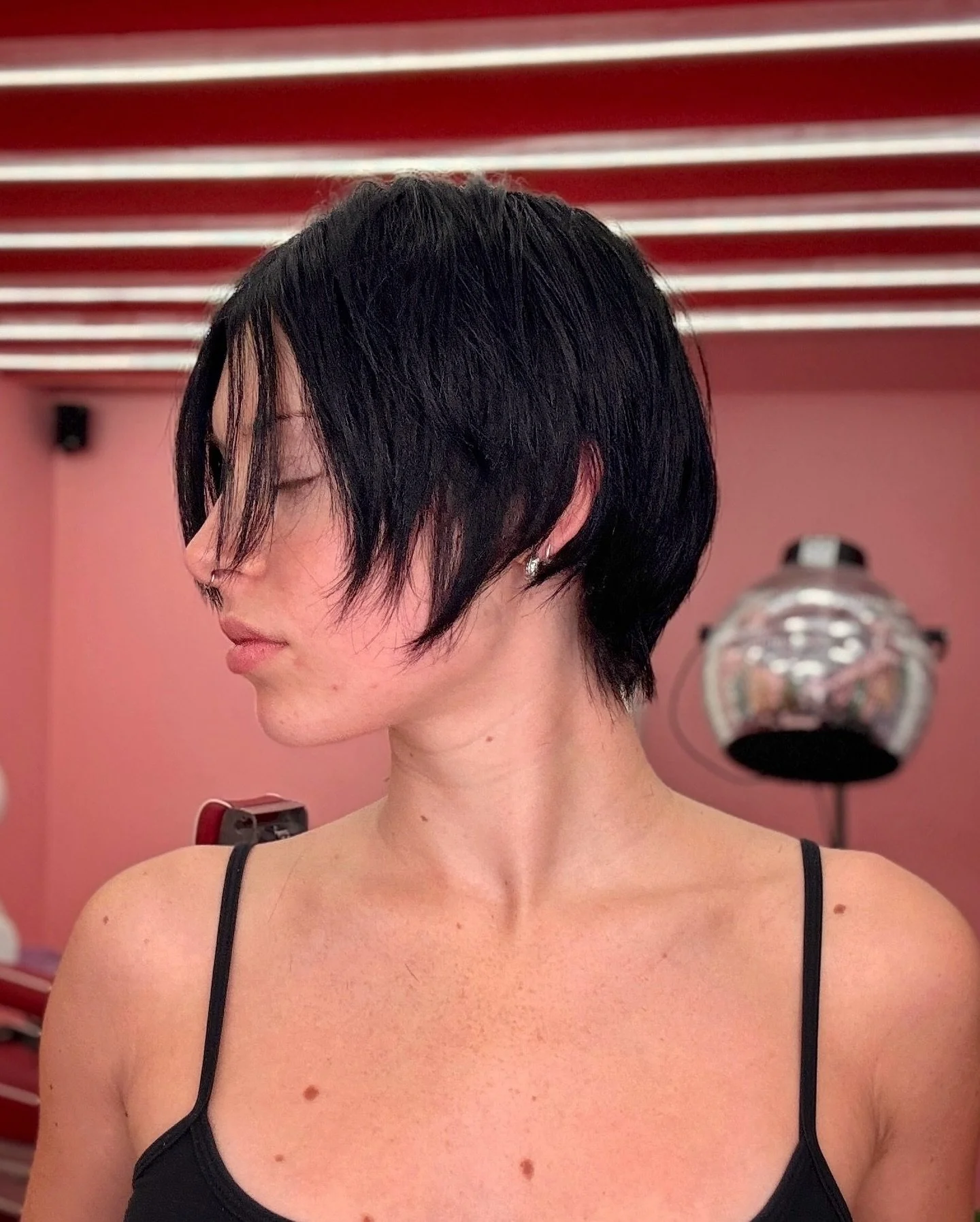
Razor cut textured bob by Rob
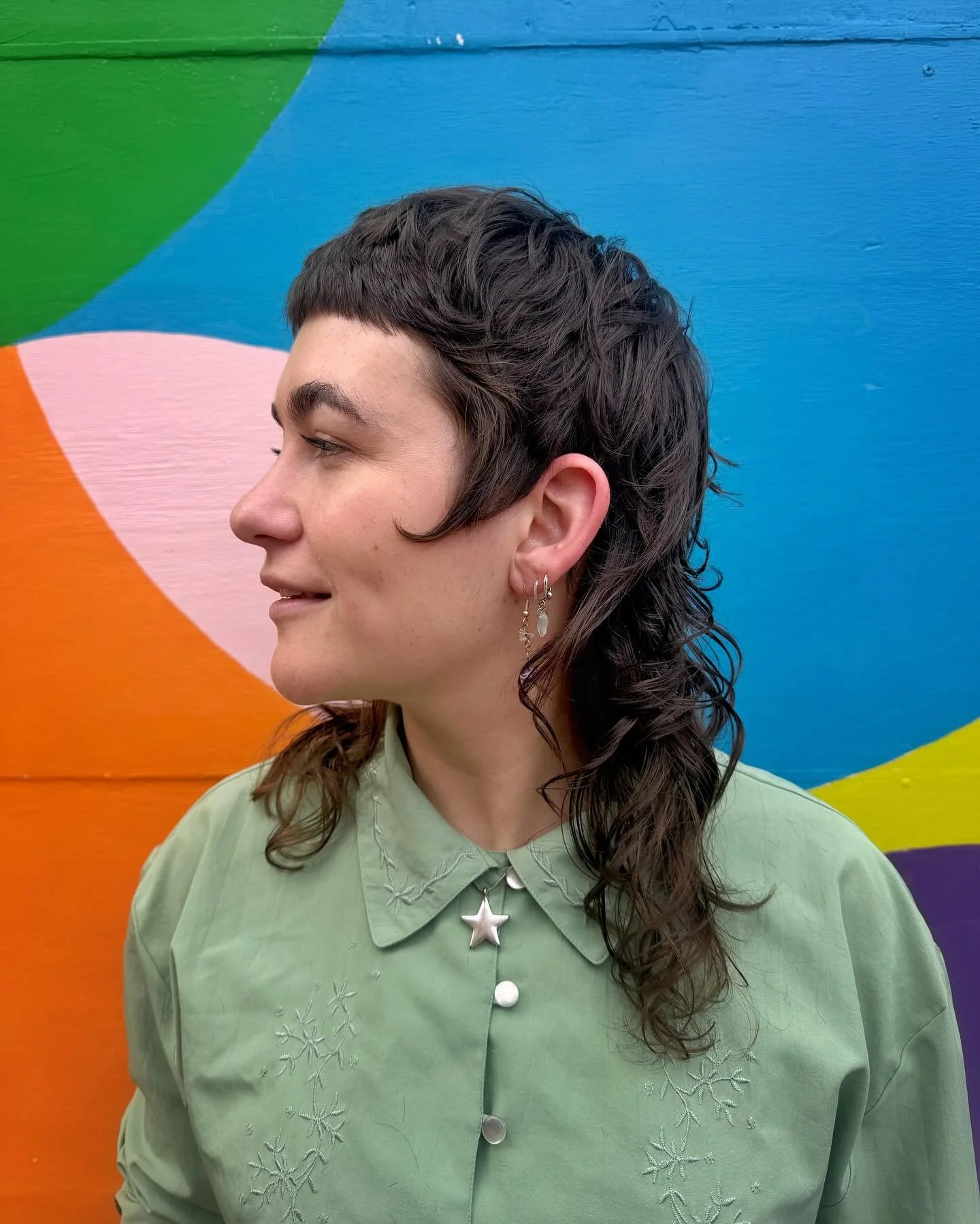
Razor cut Mullet
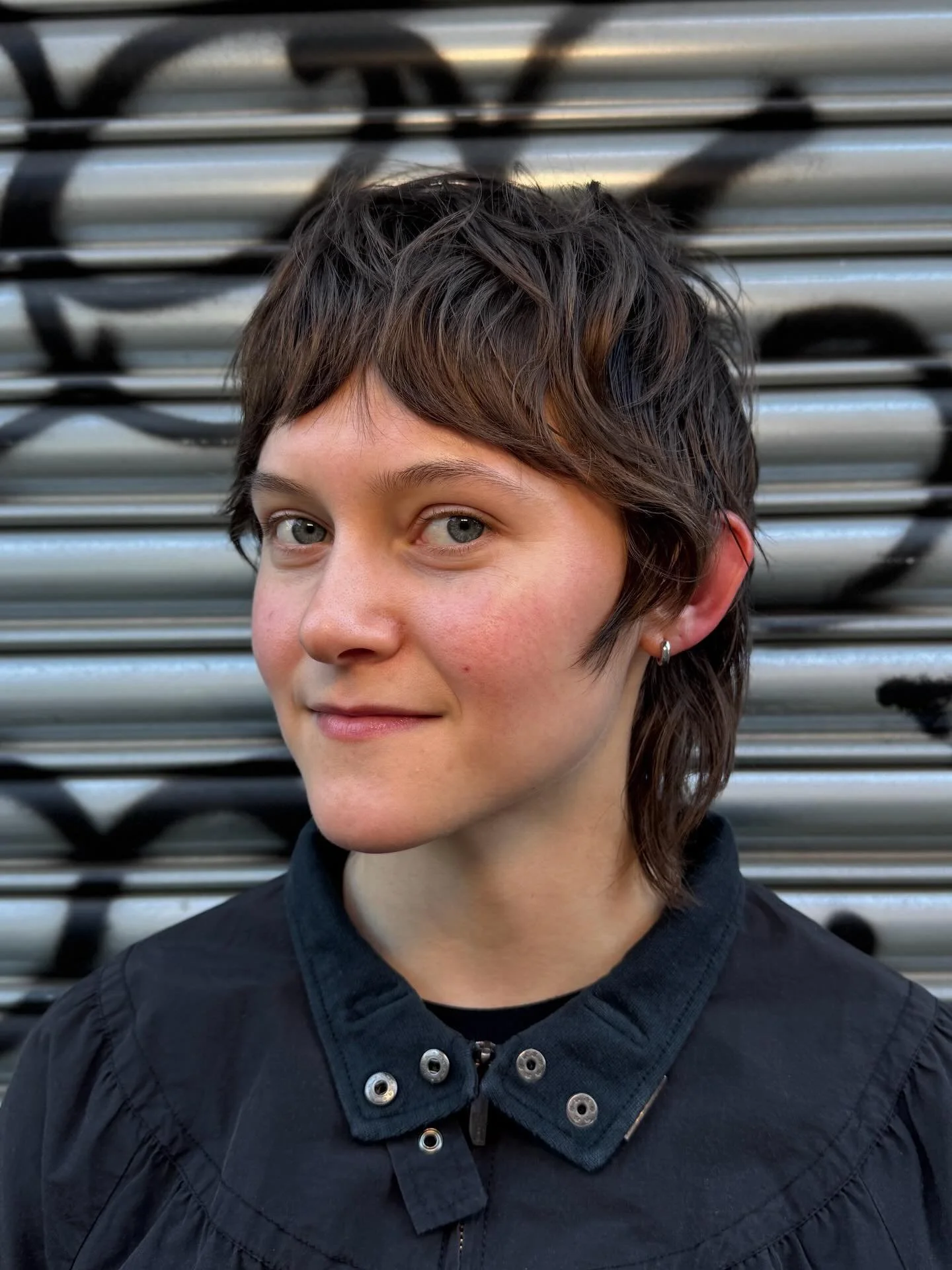
Wolf razor cut by Rob

Bixie razor cut by Rob
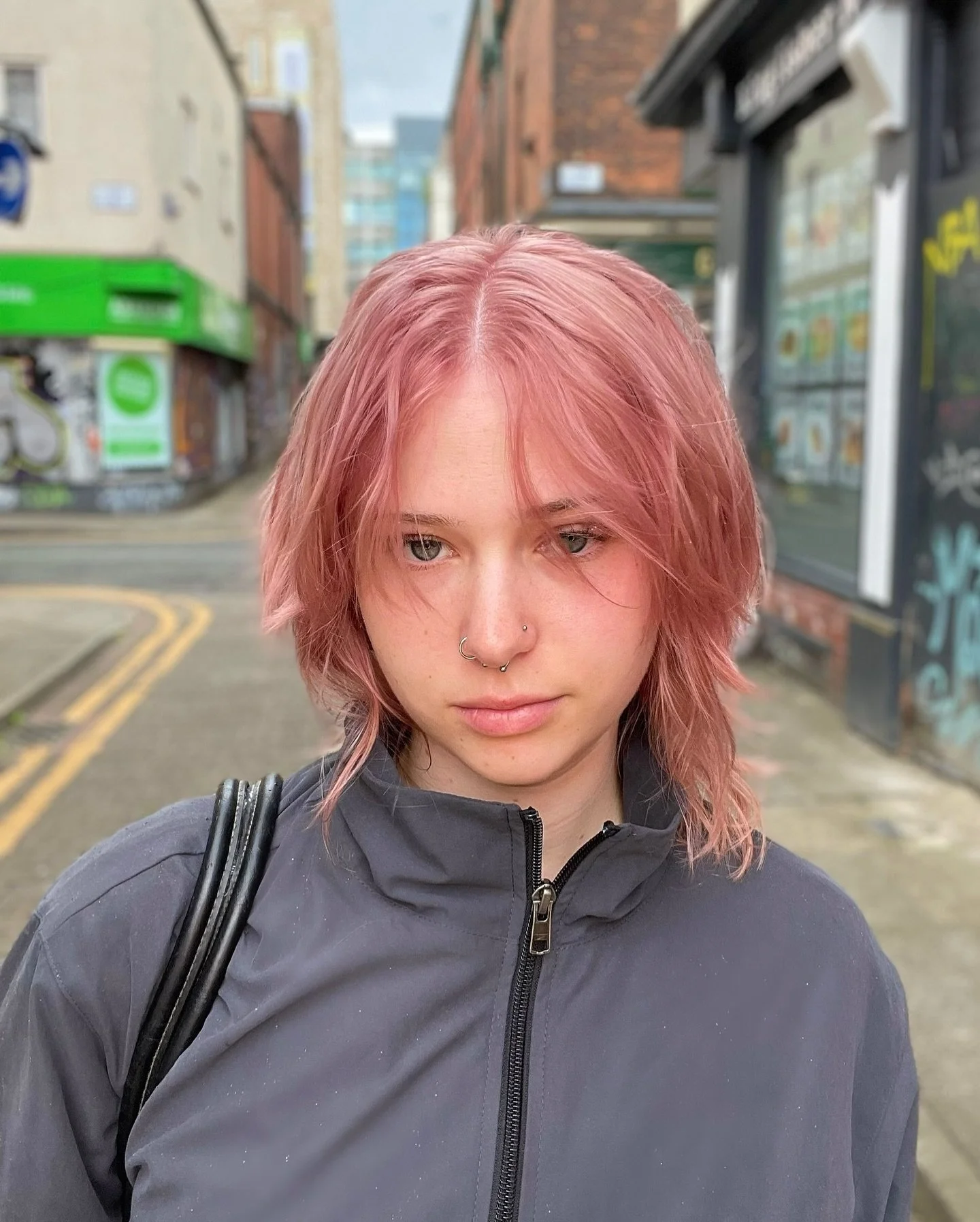
Wolf razor cut by Mary
Razor-cutting FAQs
-
Scissors usually create a cleaner, more direct line, while a razor can create a softer and more lived-in finish. A razor also allows us to adjust the length of each stroke, giving us detailed control over weight, movement and density. Neither tool is automatically better—the right choice depends on your hair and the result you want.
-
A correctly performed razor cut using a fresh, sharp blade should cut the hair cleanly. Problems are more likely when a dull blade, excessive pressure or an unsuitable technique is used. At RCNQ, we use a fresh single-use blade for every haircut and change it in front of the client.
-
Razor cutting creates movement and texture, but the technique must be adapted to the individual head of hair. We control how much weight is kept or removed in every area. If we believe using a razor would create an unsuitable result for your texture, we will recommend scissors instead.
-
Razors can work well on wavy hair and looser curl patterns when used carefully. As curls become tighter and form stronger coils, we generally move towards using scissors. For tight curls and Afro-textured hair, scissors usually allow us to respect the curl pattern and create the shape more precisely.
-
Yes. Razor cutting doesn’t have to mean thinning the hair. By using shorter strokes and preserving weight, we can create a soft finish that helps finer areas appear thicker and fuller without looking rigidly blunt.
-
Yes. Longer razor strokes can release weight from carefully chosen areas, giving dense hair greater movement and making it feel more manageable. We can remove weight where it is needed while preserving thickness elsewhere.
-
Yes. Razor cutting can be used across every length, depending on the desired finish and the suitability of the hair. It can create everything from crops, bobs and fringes to shags, wolf cuts, mullets and long textured layers.
-
A razor cut begins with a softer, lived-in finish, so the grow-out becomes part of the haircut rather than immediately disrupting a sharp outline. Some clients find that their shape still feels intentional several months later.
-
It depends on the hairstyle, texture and whether you have a fringe. For haircuts with a fringe, we may suggest a fringe reshape after eight to ten weeks, followed by a full haircut eight to ten weeks later. Some curly, lower-maintenance shapes without a fringe may only need cutting every four to six months.
-
We will talk about what you disliked and what happened to your hair afterwards. Previous problems may have resulted from a dull blade, too much weight being removed or a technique that wasn’t appropriate for your hair. Your consultation gives us time to understand those concerns and explain how we would approach your haircut differently.
Ready for a haircut that works with your natural texture?
Whether you’re considering a shag, wolf cut, mullet, crop, fringe or a softer lived-in shape, we’ll create a haircut around your texture, density, lifestyle and personal style.